Monvue entered a fast growing eyewear category where coloured contact lenses were widely available but rarely designed for darker skin tones. Most products were developed for lighter complexions, resulting in lenses that looked artificial, harsh, or disconnected on Indian faces. The founders identified a clear gap and spent over a year in R&D with manufacturing partners in Japan to engineer lenses that appear natural on Indian and other melanin rich skin tones, without compromising on comfort or quality.
Lazy Eight partnered with Monvue from inception to build the brand from first principles. The mandate was not cosmetic differentiation, but category correction. This meant positioning Monvue as a premium, science led product rather than a beauty accessory. Beyond aesthetics, the lenses feature over 70 percent water content, placing them among the most comfortable and technically advanced options in the market. The brand needed to communicate credibility, restraint, and confidence from day zero.
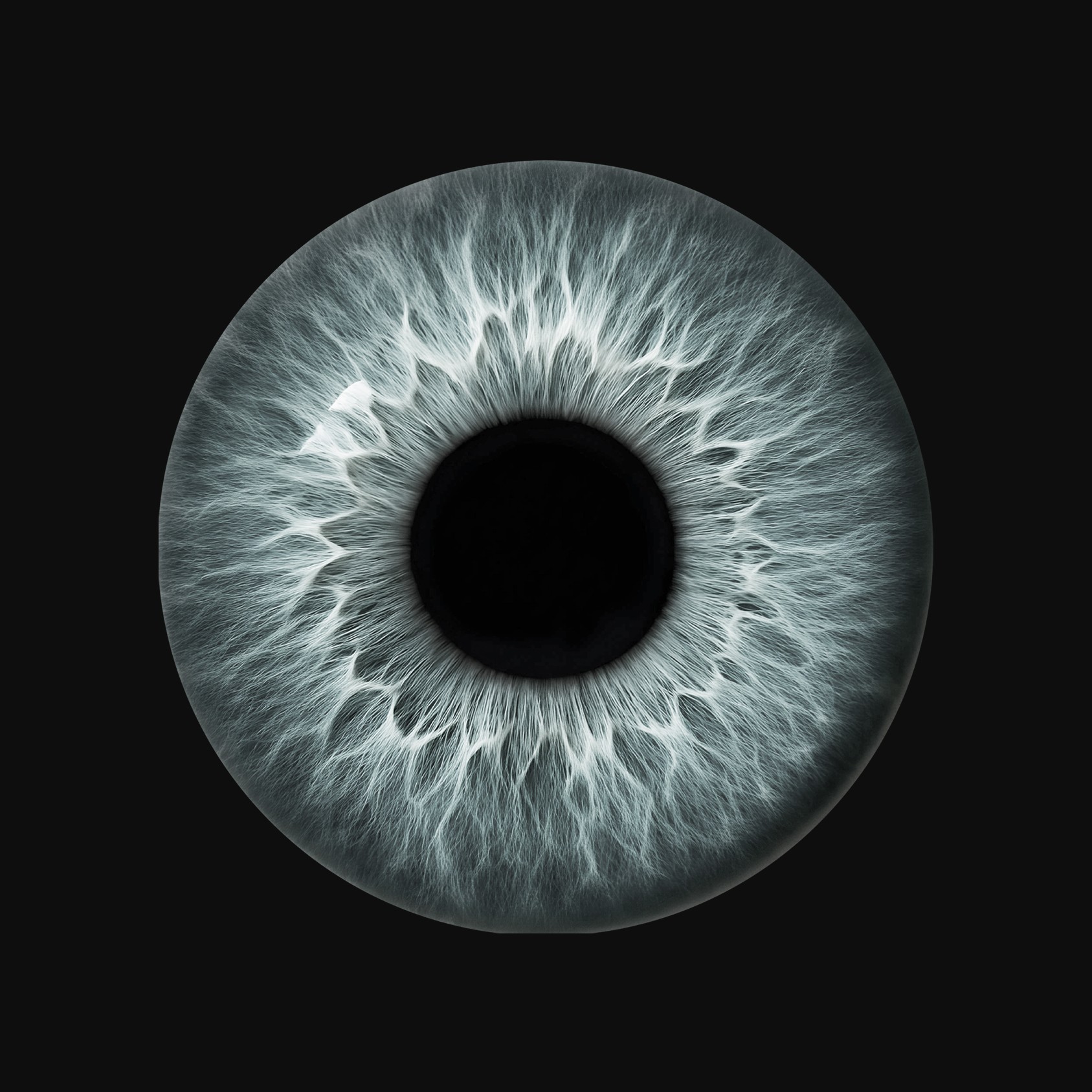
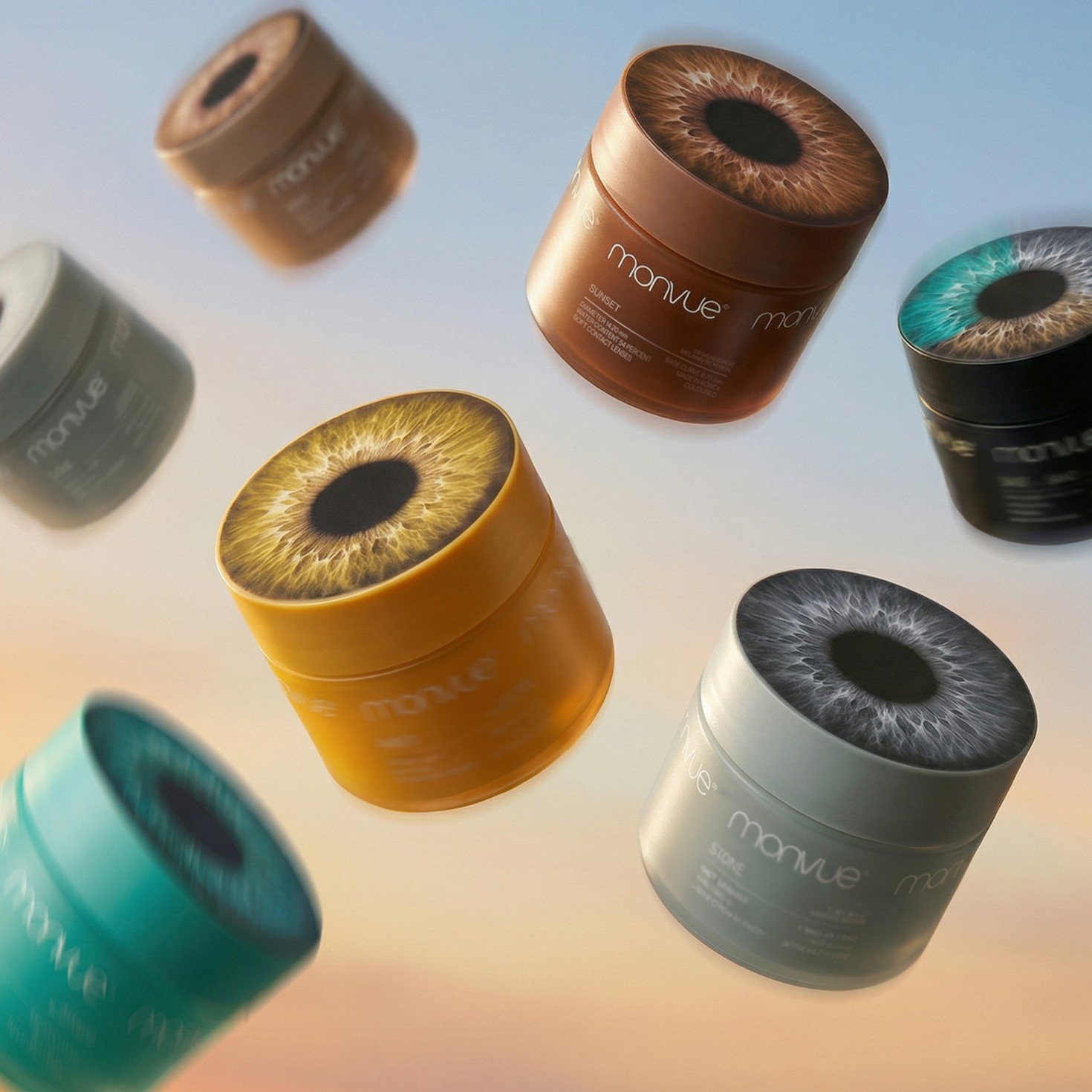
Our work spanned strategy, identity, packaging, digital experience, and go to market foundations as a single integrated system. Packaging was reimagined away from disposable cartons into a collectible, shelf forward format that immediately signals premium intent. Photography and visual language focused on real skin, real texture, and minimal intervention. For the digital experience, we rejected virtual try ons in favour of real models, allowing users to select skin tone and lens colour and see authentic outcomes. Testimonials were designed as detailed narratives rather than marketing snippets, prioritising trust over persuasion.
Monvue is currently in beta launch, with trial packs selling out and early response validating both product and positioning. The brand is now preparing for expansion beyond India into the UAE and other international markets. For Lazy Eight, the engagement reinforced a familiar belief. When product truth, brand system, and execution are aligned from the start, even crowded categories can be redefined rather than competed with.
Monvue entered a fast growing eyewear category where coloured contact lenses were widely available but rarely designed for darker skin tones. Most products were developed for lighter complexions, resulting in lenses that looked artificial, harsh, or disconnected on Indian faces. The founders identified a clear gap and spent over a year in R&D with manufacturing partners in Japan to engineer lenses that appear natural on Indian and other melanin rich skin tones, without compromising on comfort or quality.
Lazy Eight partnered with Monvue from inception to build the brand from first principles. The mandate was not cosmetic differentiation, but category correction. This meant positioning Monvue as a premium, science led product rather than a beauty accessory. Beyond aesthetics, the lenses feature over 70 percent water content, placing them among the most comfortable and technically advanced options in the market. The brand needed to communicate credibility, restraint, and confidence from day zero.
Our work spanned strategy, identity, packaging, digital experience, and go to market foundations as a single integrated system. Packaging was reimagined away from disposable cartons into a collectible, shelf forward format that immediately signals premium intent. Photography and visual language focused on real skin, real texture, and minimal intervention. For the digital experience, we rejected virtual try ons in favour of real models, allowing users to select skin tone and lens colour and see authentic outcomes. Testimonials were designed as detailed narratives rather than marketing snippets, prioritising trust over persuasion.
Monvue is currently in beta launch, with trial packs selling out and early response validating both product and positioning. The brand is now preparing for expansion beyond India into the UAE and other international markets. For Lazy Eight, the engagement reinforced a familiar belief. When product truth, brand system, and execution are aligned from the start, even crowded categories can be redefined rather than competed with.