DEL · DXB · NYC
DEL · DXB · NYC
DEL · DXB · NYC
Instalimb®
Across many markets, mobility is constrained less by technology and more by cost and wait time. Prosthetics innovation has advanced steadily, but access remains uneven, with long lead times and high prices keeping solutions out of reach for many.
The promise of 3D printing is not novelty. It is access. Faster production, better fit, and economics that can move prosthetics from rare to reachable.
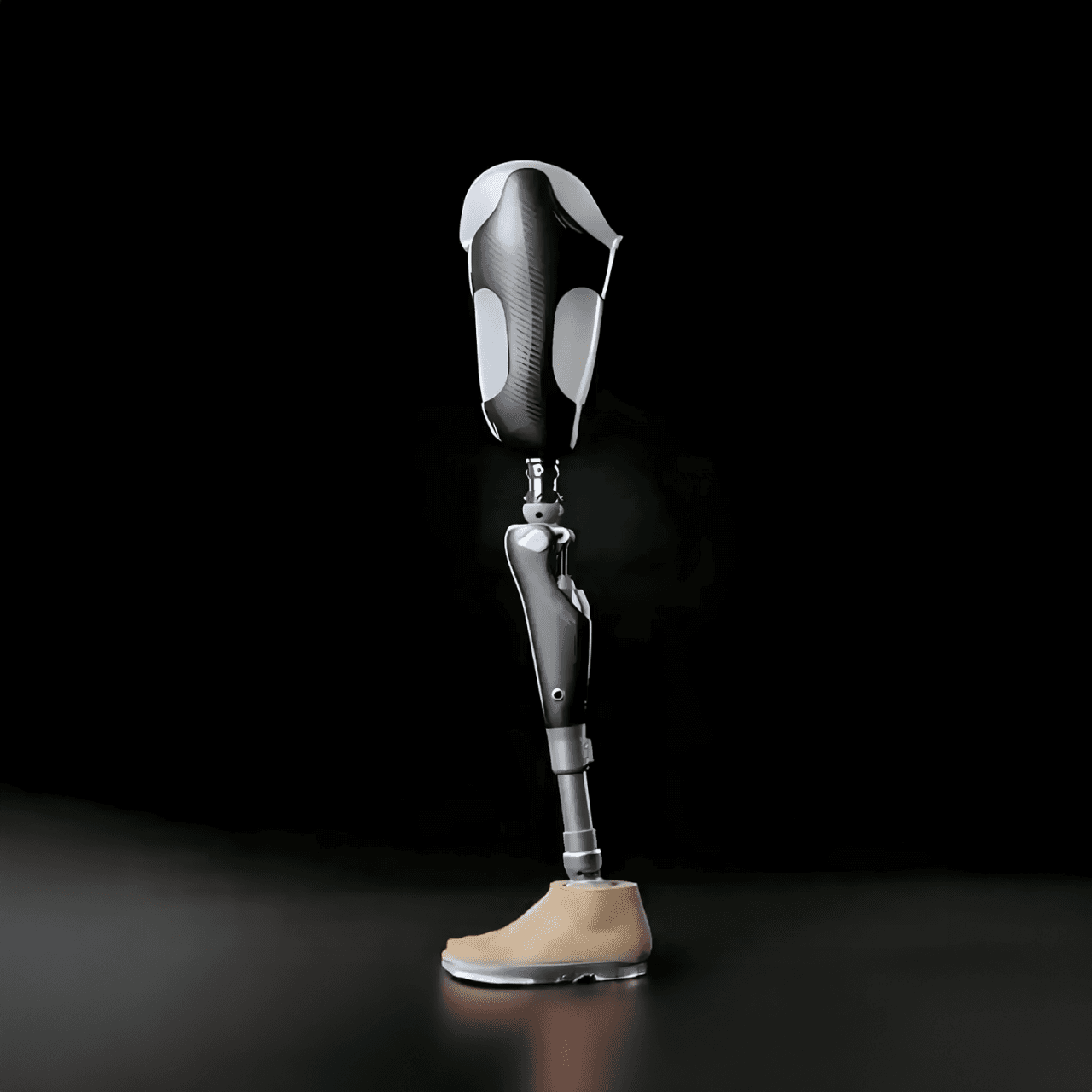
Founded in Japan, InstaLimb set out with a clear mission. Use scanning and 3D printing to deliver prosthetic legs with clinical precision at radically lower cost, so more people can walk sooner without years of delay.
The challenge was not technical credibility. The product delivered on precision and speed. The challenge was perception and trust.
Prosthetics sit at a sensitive intersection of medicine, emotion, and daily life. The brand needed to communicate reliability and care without sentimentality, and innovation without alienating clinicians or patients.
The system also needed to travel. Clinics, field deployments, NGOs, and global partners all engage differently. The brand had to remain consistent across contexts while adapting to local realities where access is the primary value.
Lazy Eight partnered at the zero to one stage to reframe the narrative and build the brand system end to end. The story shifted from affordable prosthetics to human first mobility, positioning access itself as the innovation.
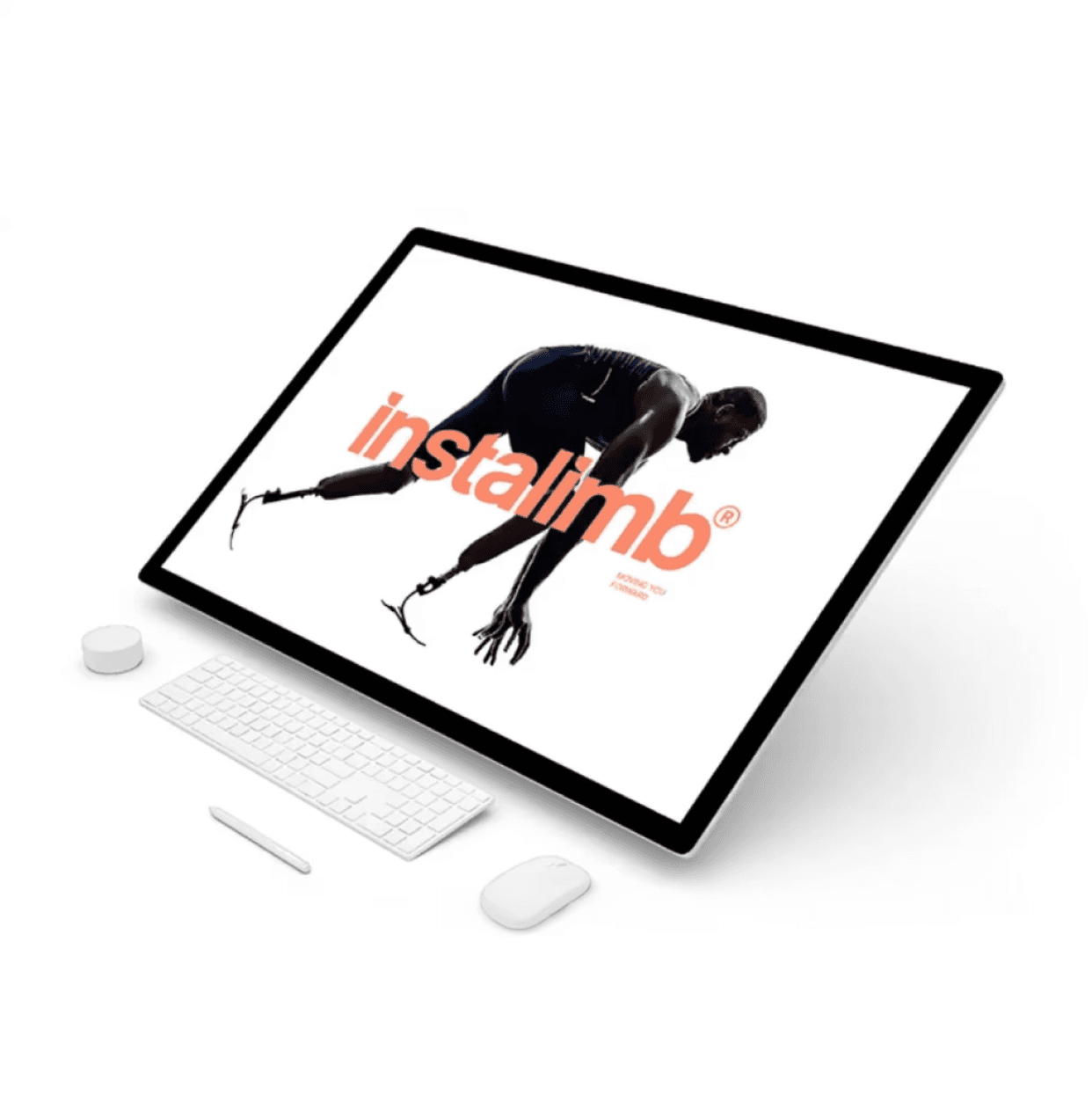
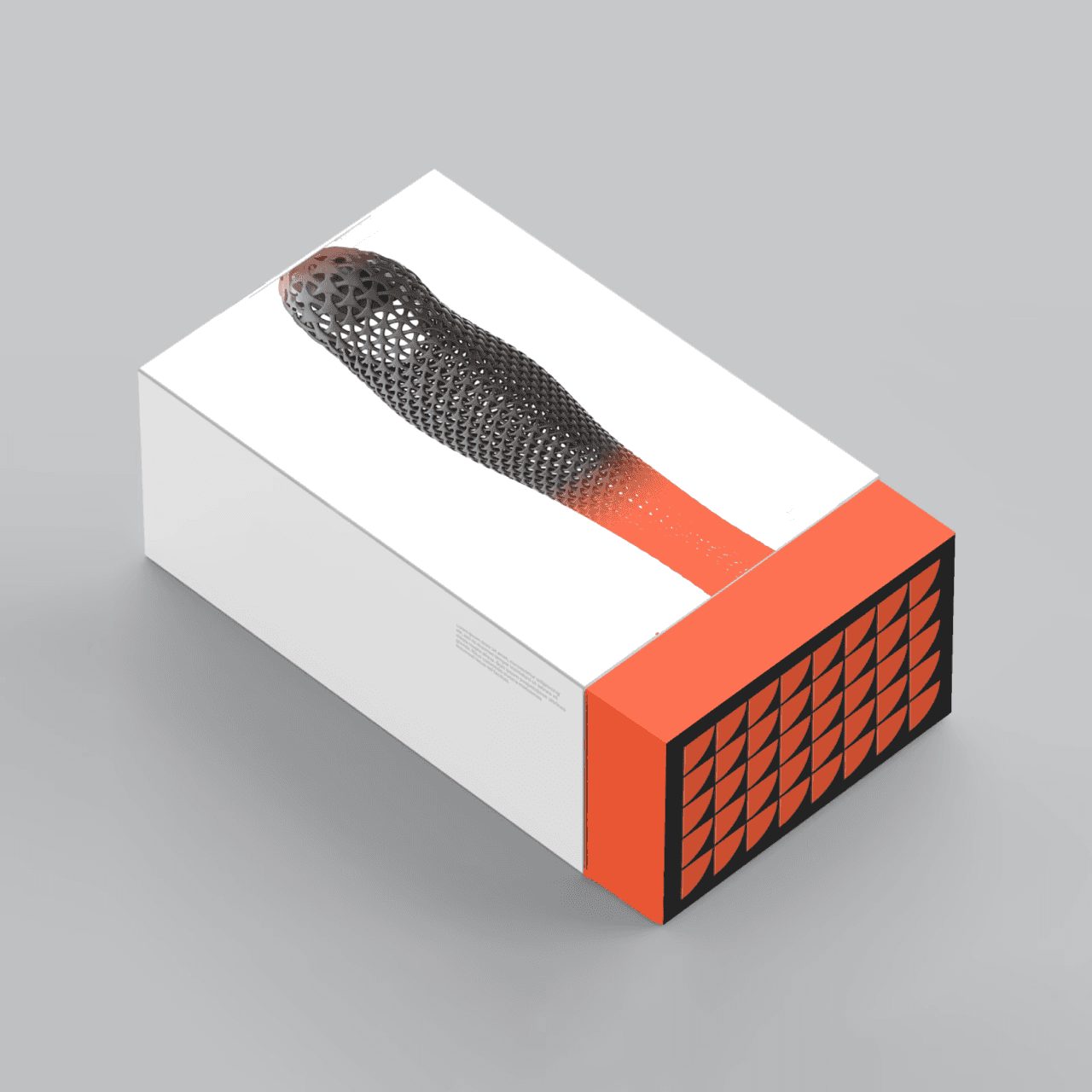
We designed a calm, precise visual language that balances engineering discipline with empathy. The system was carried across identity, fitting kits, clinical manuals, and digital touchpoints, ensuring clarity and confidence at every interaction.
Every element was designed to earn trust quickly. Interfaces were straightforward. Language was respectful and direct. The brand was built to work as reliably in a hospital setting as it does in field deployment or partnership discussions.
The result is a brand that helps technical innovation travel. A system designed to communicate care without excess, build confidence without explanation, and scale across regions where mobility access is a human right, not a luxury.
For InstaLimb, the work created a foundation that supports global deployment without fragmentation. For Lazy Eight, it reinforced a principle that holds across healthcare and access driven products. When dignity leads the system, trust follows faster than technology alone ever could.
Across many markets, mobility is constrained less by technology and more by cost and wait time. Prosthetics innovation has advanced steadily, but access remains uneven, with long lead times and high prices keeping solutions out of reach for many.
The promise of 3D printing is not novelty. It is access. Faster production, better fit, and economics that can move prosthetics from rare to reachable.
Founded in Japan, InstaLimb set out with a clear mission. Use scanning and 3D printing to deliver prosthetic legs with clinical precision at radically lower cost, so more people can walk sooner without years of delay.
The challenge was not technical credibility. The product delivered on precision and speed. The challenge was perception and trust.
Prosthetics sit at a sensitive intersection of medicine, emotion, and daily life. The brand needed to communicate reliability and care without sentimentality, and innovation without alienating clinicians or patients.
The system also needed to travel. Clinics, field deployments, NGOs, and global partners all engage differently. The brand had to remain consistent across contexts while adapting to local realities where access is the primary value.
Lazy Eight partnered at the zero to one stage to reframe the narrative and build the brand system end to end. The story shifted from affordable prosthetics to human first mobility, positioning access itself as the innovation.
We designed a calm, precise visual language that balances engineering discipline with empathy. The system was carried across identity, fitting kits, clinical manuals, and digital touchpoints, ensuring clarity and confidence at every interaction.
Every element was designed to earn trust quickly. Interfaces were straightforward. Language was respectful and direct. The brand was built to work as reliably in a hospital setting as it does in field deployment or partnership discussions.
The result is a brand that helps technical innovation travel. A system designed to communicate care without excess, build confidence without explanation, and scale across regions where mobility access is a human right, not a luxury.
For InstaLimb, the work created a foundation that supports global deployment without fragmentation. For Lazy Eight, it reinforced a principle that holds across healthcare and access driven products. When dignity leads the system, trust follows faster than technology alone ever could.
Across many markets, mobility is constrained less by technology and more by cost and wait time. Prosthetics innovation has advanced steadily, but access remains uneven, with long lead times and high prices keeping solutions out of reach for many.
The promise of 3D printing is not novelty. It is access. Faster production, better fit, and economics that can move prosthetics from rare to reachable.
Founded in Japan, InstaLimb set out with a clear mission. Use scanning and 3D printing to deliver prosthetic legs with clinical precision at radically lower cost, so more people can walk sooner without years of delay.
The challenge was not technical credibility. The product delivered on precision and speed. The challenge was perception and trust.
Prosthetics sit at a sensitive intersection of medicine, emotion, and daily life. The brand needed to communicate reliability and care without sentimentality, and innovation without alienating clinicians or patients.
The system also needed to travel. Clinics, field deployments, NGOs, and global partners all engage differently. The brand had to remain consistent across contexts while adapting to local realities where access is the primary value.
Lazy Eight partnered at the zero to one stage to reframe the narrative and build the brand system end to end. The story shifted from affordable prosthetics to human first mobility, positioning access itself as the innovation.
We designed a calm, precise visual language that balances engineering discipline with empathy. The system was carried across identity, fitting kits, clinical manuals, and digital touchpoints, ensuring clarity and confidence at every interaction.
Every element was designed to earn trust quickly. Interfaces were straightforward. Language was respectful and direct. The brand was built to work as reliably in a hospital setting as it does in field deployment or partnership discussions.
The result is a brand that helps technical innovation travel. A system designed to communicate care without excess, build confidence without explanation, and scale across regions where mobility access is a human right, not a luxury.
For InstaLimb, the work created a foundation that supports global deployment without fragmentation. For Lazy Eight, it reinforced a principle that holds across healthcare and access driven products. When dignity leads the system, trust follows faster than technology alone ever could.